Summary
Some of the smartest and most capable people can struggle with segmenting their thoughts and knowledge into sensible chunks. What some call “Chunking” or “Micro-learning” is the ability to compartmentalize separate ideas in a cohesive package – making a larger body of instruction. In this post, Jonathan reviews what micro-learning is and more importantly… when to leverage it.

Benefits and Effective Strategies for Optimal Knowledge Retention
Microlearning is transforming how people learn by breaking down information into bite-sized pieces. It allows learners to absorb content quickly and efficiently, catering to busy schedules. Microlearning helps improve knowledge retention through short, focused sessions for corporate training or personal development.
Microlearning platforms offer interactive modules and quizzes, making the learning experience engaging and effective. Instead of lengthy training sessions, these platforms deliver short-burst content that aligns with our attention spans. Microlearning isn’t just a trend; it’s a powerful tool that enhances specific learning goals and outcomes.
From mobile devices to various apps, microlearning can be accessed anywhere, making it a versatile method for learners. Training can be more adaptive and flexible using microlearning strategies and best practices. This approach fits into a modern lifestyle and ensures learners achieve high-quality results.
Key Takeaways
- Microlearning delivers focused content in short sessions.
- Platforms with interactive modules make learning engaging.
- It fits into busy schedules, enhancing retention.
What Is Microlearning, What It Isn’t, And Why You Need It

Microlearning is a type of learning that delivers content in small, focused chunks. These are often called “bite-sized” lessons. This format helps learners grasp information quickly and efficiently, catering to shorter attention spans. Microlearning can take forms such as videos, quizzes, or infographics.
Microlearning isn’t meant to cover extensive or complex topics in-depth. It’s not a replacement for traditional, long-form learning methods. Instead, it complements them by filling in gaps or reinforcing key concepts.
A COMPLETE STEP-BY-STEP CHEATSHEET
TO CREATING, LAUNCHING & GROWING A SUCCESSFUL MEMBERSHIP WEBSITE

You need microlearning for several reasons. It boosts knowledge retention. The focused content helps learners remember information better. It fits into busy schedules. Short lessons can be completed anytime, even during breaks. Microlearning is also flexible, allowing learners to progress at their own pace.
In today’s fast-paced world, microlearning provides an effective and efficient learning method, primarily through mobile devices. It ensures continuous learning and development, making it a valuable tool in educational and corporate settings.
What Are The Real Benefits Of Microlearning?

Microlearning offers several practical advantages. It is cost-effective, mobile-friendly, and enhances knowledge retention. It can be developed rapidly and delivered quickly, making it a flexible solution for various learning needs.
It’s More Affordable
Microlearning is often cheaper than traditional methods. Creating shorter modules reduces costs for design, production, and updating. There’s less need for physical materials and in-person trainers. Digital platforms can distribute content widely without significant expenses, helping organizations save money while still providing quality training.
Accessible And Mobile-Friendly
Learners can access microlearning modules on smartphones, tablets, and laptops. This flexibility makes it easier for people to learn at their own pace, anywhere. Busy professionals can fit learning into their schedules. Accessing content on the go increases engagement, making learning a continuous and seamless process.
It Boosts Knowledge Retention
Microlearning segments information into small, manageable chunks. This structure helps learners focus and remember content better. Studies show that short, repetitive learning sessions improve long-term retention. Techniques like quizzes and interactive elements reinforce knowledge and make information stick over time.
It’s Flexible
Microlearning fits various schedules and learning styles. Users can complete modules during short breaks or downtime. This flexibility is ideal for busy employees who can’t attend long training sessions. Learners can revisit content when needed, ensuring they understand and retain information effectively.
It Can Be Quickly Developed And Reviewed
Creating microlearning content is fast. Teams can develop, test, and distribute modules in a short timeframe. This rapid development cycle allows for quick updates based on feedback. Quick review and adaptation keep the learning material relevant and practical, adjusting to new information and learner needs.
It’s Faster To Deliver
Microlearning content can be delivered promptly. Companies can roll out training programs in days instead of months. Trainers can distribute new information quickly, responding to changing industry standards or company policies. Fast delivery ensures that everyone stays informed and up-to-date.
Learner Attention Rates Go Up
Short bursts of learning keep engagement high. Learners are less likely to feel overwhelmed by information overload. Focused, concise content holds their attention better. Higher engagement means learners absorb more, resulting in improved performance and productivity.
Microlearning’s brief nature keeps learners motivated, making training more effective.
What Are The Limitations Of Microlearning?

Microlearning is effective for many uses, but it has limitations. It may not be suited for intricate topics or comprehensive training needs.
It’s Not Ideal For Complex Concepts
Microlearning is built around short, focused lessons. This makes it hard to cover complicated subjects that require deep understanding. Complex topics often require more time and background information to be grasped fully.
For example, learning a new language or mastering advanced mathematics can’t be easily condensed into brief modules. These topics benefit from continuous and detailed instruction. Moreover, breaking complex ideas into small chunks can disrupt the learning flow and make it harder to see connections between concepts.
It’s Not Suited For In-Depth Training
Microlearning shines in delivering quick bursts of information. However, it falls short of in-depth training sessions that need comprehensive coverage. Subjects like software engineering or medical procedures require detailed explanations, hands-on practice, and thorough assessments.
Short videos or quizzes alone cannot replace the need for extensive training sessions. In-depth topics often require discussion, feedback, and practice in a controlled environment. Microlearning’s brief nature may not provide enough depth and engagement to ensure full competency in these areas.
Microlearning Best Practices

Microlearning can make learning more effective by keeping lessons short, using various media types, and incorporating gamification. Each best practice focuses on enhancing engagement and retention.
Keep It Short And Sweet
Microlearning works best when information is presented in small, easily digestible chunks. Lessons should be between 2 to 5 minutes long. This helps learners focus and retain information better. Break down more prominent topics into smaller units. Each unit should focus on one core concept. This way, learners can absorb and recall information more effectively.
Use Multimedia To Spice Things Up
Using different types of media makes learning more enjoyable. Videos, infographics, and interactive quizzes can make the content engaging. Including multimedia helps cater to various learning styles. Some people learn better visually, while others prefer reading or hands-on activities. Mixing media types also keeps learners engaged and reduces boredom.
See Whether It Suits Your Use Case
Microlearning is not a one-size-fits-all solution. Analyze the needs of your learners before implementing it. If the content is complex and requires deep understanding, microlearning might not be suitable. For simple, straightforward topics, it can be very effective. Evaluate whether microlearning aligns with the goals of your training program.
Practicing Micro-Skills That Gradually Build Into More Considerable Skills
Break down larger skills into smaller, manageable micro-skills. Each micro-skill should build on the previous one. This progressive approach helps learners master more complex skills over time. For example, learning a new software program can start with simple tasks and gradually move to advanced features. This method makes the learning journey smoother and less overwhelming.
Turn On Gamification To Increase Involvement
Gamification increases engagement by making learning fun. Incorporate elements like points, badges, and leaderboards to motivate learners. Friendly competition can stimulate interest and encourage continued participation. Gamification also provides immediate feedback, helping learners understand their progress and areas for improvement.
Apply Micro-Assessments To Evaluate Development
Micro-assessments are short, frequent quizzes or tests. They help evaluate a learner’s understanding and retention of the material. Use these assessments to provide immediate feedback. This allows learners to recognize gaps in their knowledge and reinforces what they have just learned. Frequent assessments can make learning more interactive and practical.
What Are Good Categories For Microlearning

Microlearning can be tailored to address various essential topics concisely and effectively. The following categories are crucial for any workplace setting: enhancing skills and ensuring compliance.
Anti-Harassment Training
This training focuses on preventing harassment in the workplace. It underscores the importance of maintaining a respectful and inclusive environment. Modules include recognizing different types of harassment and knowing how to report incidents. Real-life examples and role-playing can help employees understand the impact of harassment. Using scenarios makes the training relatable and memorable.
Workplace Safety (OSHA)
Workplace safety training aims to minimize accidents and injuries. Content based on OSHA guidelines helps employees identify hazards and follow safety practices. Training covers topics like handling equipment, emergency procedures, and proper ergonomics. Interactive quizzes and simulations enhance engagement and retention. Safety drills and regular updates keep the knowledge fresh and applicable.
Information Security Training (HIPAA)
Information security training ensures employees protect sensitive data. HIPAA compliance is essential in industries handling health information. Key topics include data encryption, recognizing phishing attempts, and safe handling of personal information. Interactive content, such as videos and simulations, can illustrate common security breaches. Regular updates and reminders help maintain vigilance.
Workplace Substance Abuse
Training on substance abuse focuses on recognizing and addressing substance misuse. It highlights the impact of drugs and alcohol on productivity and safety. Modules often include signs of abuse, support resources, and company policies. Role-playing scenarios and case studies can reinforce learning. Providing a confidential helpline enhances support for employees.
Workplace Violence
Workplace violence training educates employees on recognizing and preventing acts of violence. It covers types of violence, warning signs, and appropriate responses. This training emphasizes reporting suspicious behavior and fostering a safe environment. Practical exercises and interactive content like videos help drive the points home.
Diversity Training
Diversity training promotes understanding and acceptance of different cultures and perspectives. It covers topics like unconscious bias, cultural competence, and inclusive communication. Multimedia, such as videos and interactive scenarios, can make the training more engaging. Encouraging open discussions and sharing personal experiences enhances learning and fosters a more inclusive workplace.
Family And Medical Leave
Training on family and medical leave clarifies employees’ rights and responsibilities under laws like FMLA. It explains how to apply for leave, what qualifies, and the documentation required. Real-life scenarios can help employees understand the process. Interactive elements such as quizzes or flowcharts enhance understanding.
HR Law And Practices
HR law and practice training ensures employees understand workplace regulations and policies. Topics include hiring practices, wage and hour laws, and disciplinary procedures. Case studies and practical exercises make complex laws more understandable. Keeping the content up-to-date with current laws is essential for compliance. Interactive modules help reinforce the policy details effectively.
Juggling Delivery, Frequency, And Length For Best Microlearning

To master microlearning, balancing delivery, frequency, and length is crucial. Each plays a key role in ensuring a practical learning experience.
Delivery Methods:
- Videos: Short, engaging clips work best.
- Quizzes: Keep learners active.
- Infographics: Simplify complex ideas.
- Interactive Modules: Increase engagement.
Frequency: Setting the right frequency helps learners retain information. Daily or weekly modules are practical. Overloading can overwhelm, while too little can cause forgetfulness.
Length: Microlearning focuses on short bursts. Aim for lessons lasting 2-5 minutes. This keeps the content digestible and maintains attention.
Example Schedule:
| Day | Activity |
|---|---|
| Monday | Watch a 3-minute video |
| Wednesday | Complete a short quiz |
| Friday | Review an infographic |
By considering these aspects, microlearning can be optimized for better outcomes. Proper delivery, frequency, and length ensure learners stay engaged and retain knowledge.
Your Brain On Microlearning
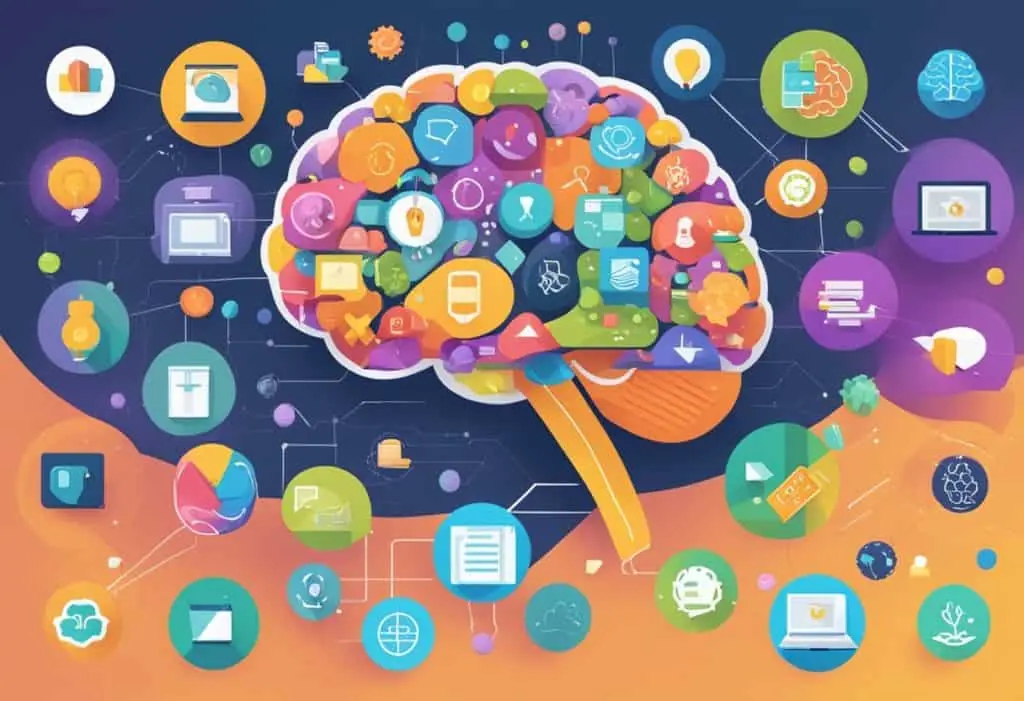
Microlearning breaks down large amounts of information into smaller, more manageable chunks. This helps your brain absorb and retain information better.
Short bursts of learning fit well with our natural attention spans. Instead of long study sessions, smaller sessions help keep the brain engaged without getting tired.
The brain benefits from repetition in microlearning. Seeing the same information in different ways reinforces memory and understanding. Microlearning can involve videos, quizzes, and short texts that cater to this need.
Microlearning is adaptable. It can be accessed anytime on mobile devices, fitting seamlessly into busy schedules. This flexibility leads to more effective and consistent training experiences.
Engagement is another crucial advantage. Interactive and varied formats in microlearning keep the brain interested. Fun quizzes or short, interactive videos make learning enjoyable and effective.
Microlearning promotes better knowledge retention and engagement, making it an effective learning strategy.
Frequently Asked Questions
Q: What are some common microlearning examples?
A: Common microlearning examples include short instructional videos, interactive quizzes, infographics, and mobile learning apps that deliver bite-sized content to users.
Q: What is a microlearning platform?
A: A microlearning platform is a digital environment that facilitates the creation, delivery, and tracking of microlearning content and experiences, allowing users to engage with learning materials flexibly.
Q: How can I use microlearning in employee training?
A: You can use microlearning in employee training by designing microlearning courses that deliver small, focused training units on specific topics, making it easier for employees to absorb and retain information.
Q: What are some effective microlearning strategies?
A: Effective microlearning strategies include using a variety of multimedia formats, leveraging mobile devices for learning on the go, and integrating gamification elements to enhance engagement.
Q: What is a microlearning course?
A: A microlearning course is a training program with short, focused learning segments that allow learners to grasp key concepts in a more manageable timeframe, often incorporating interactive elements.
Q: What tools can I use to create microlearning content?
A: You can use various microlearning tools such as authoring software, Learning Management Systems (LMS), and mobile learning apps that effectively create and distribute microlearning units.
Q: How does microlearning work in practice?
A: Microlearning breaks down complex information into smaller, easily digestible pieces. It allows learners to engage with content at their own pace and revisit materials as needed for better retention.
Q: What are the applications of microlearning in corporate training?
A: Microlearning applications in corporate training include onboarding new employees, compliance training, skill development, and continuous professional development through short, targeted learning experiences.
Q: What are the key benefits of microlearning?
A: Key benefits of microlearning include increased engagement, better retention of information, flexibility in training schedules, and the ability to update content without the need for extensive training courses quickly.
Q: What myths about microlearning should I be aware of?
A: Some common myths about microlearning include the belief that it is only suitable for simple topics, that it cannot replace traditional training methods, and that it lacks depth when, in fact, it can be used effectively for complex subjects.
Final Thoughts
Microlearning is a modern approach that fits into busy schedules. It breaks down information into bite-sized modules. This helps learners retain knowledge effectively.
Benefits of Microlearning:
- Short, focused lessons
- Flexibility to learn anytime
- Improved retention rates
Microlearning works well on mobile devices. This makes it accessible for everyone, regardless of location.
One crucial aspect of microlearning is engagement. Quizzes and interactive content keep learners involved.
Microlearning supplements traditional training methods. It offers quick and specific learning opportunities. This combination leads to a comprehensive learning experience.
Companies can create more effective training sessions by using microlearning. It fits nicely into busy corporate environments.
Microlearning platforms offer various tools to deliver content. These include videos, apps, and software. Selecting the right platform is critical to a successful microlearning strategy.
Microlearning encourages learners to learn at their own pace. This self-paced method increases understanding and retention.
Key Takeaways:
- Flexibility and accessibility
- Efficient knowledge retention
- Engaging learning experiences
Microlearning can transform the way knowledge is delivered and retained. It adapts to modern needs while maintaining effective learning outcomes.