Using Podcasting to Promote Your Membership Site in 2026
It takes more than simply recording and releasing to grow a membership podcast. Successful podcasters produce quality audio content, coupled with the right marketing strategy. They always build an email list, use iTunes or Spotify, and engage the audience via LinkedIn and newsletters. The technical fabric is as important as the promotional strategy.
Many podcasters don’t know which tools actually matter and where to focus their marketing efforts. Whether it is the equipment you choose, the editing software you use, and distribution platform you rely on to produce content – are your production backbone. Whether support from guests, outreach strategies, and booking support to the show – are your growth accelerators.
What Equipment Do You Really Need?
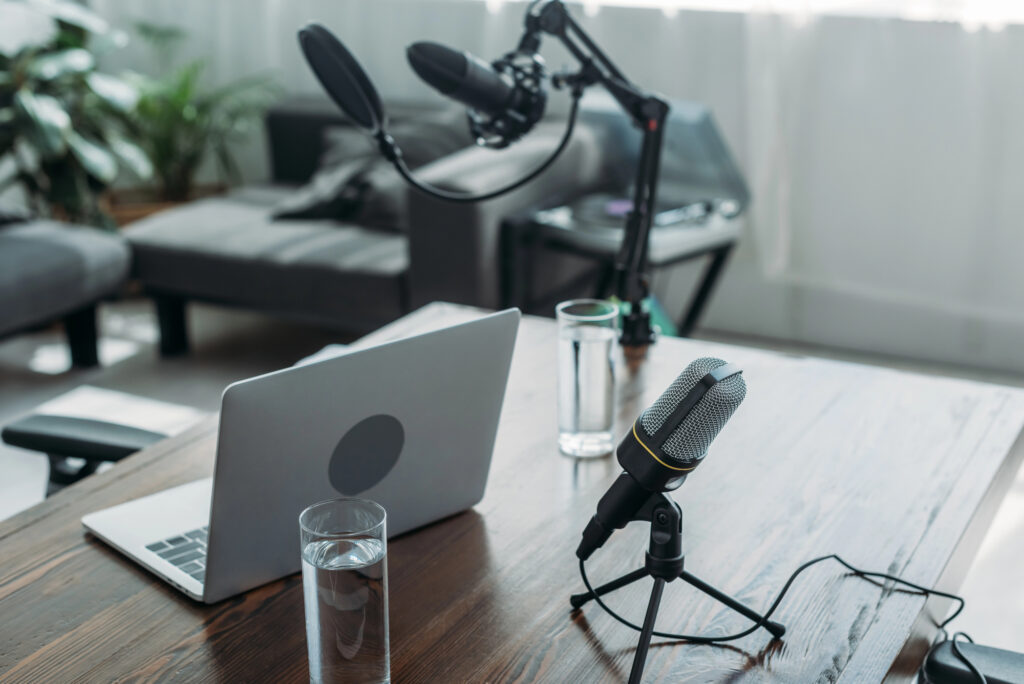
Starting a podcast is easy and requires a few equipment. You can get most podcasters on air with a decent microphone and simple recording setup.
Mics
The easiest way to begin Podcasting for a beginner is a USB mic. Affordable microphones such as the Audio-Technica AT2005USB (highly recommended) or Samson’s Q2U provide broadcast quality which plug right into a computer for under $100 with no need for additional equipment.
Microphones with XLR connectors provide better sound but need an interface. Due to its sound quality and recorded output, the Shure SM7B is a popular choice among established podcasters. However, there are more affordable options out there. Most notably, the Audio-Technica AT2005USB is a versatile microphone that suits multiple applications. Dynamic microphones are better at rejecting background noise than condenser mics. That is why they are more useful in untreated rooms.
Key microphone considerations:
- USB mics for simplicity and portability
- XLR mics for expandability and professional quality
- Dynamic vs. condenser based on recording environment
- Pop filters to reduce plosive sounds
Most solo podcasters start with a single USB mic and upgrade as their show grows.
Video
These days, video podcasting is quite common on YouTube and other platforms such as Spotify. The Logitech C920 is a basic 1080p webcam suitable for most podcast formats.
DSLR or mirrorless cameras can shoot better quality video but they are costly. In most cases, lighting matters more than camera quality. A very basic two-point LED light for under $150 will eliminate shadows and lend a professional look.
Podcasters Should Give Priority to Audio Over Video When consuming video podcasts the audience does not care much for special effects, rather they look forward to content. Because of this, many popular video podcasts are made with static camera angles and little edit.
Recording Platform
With the help of a good-quality recording platform, podcasters can record remote interviews and solo episodes with great audio and video quality. By integrating with podcast workflows, the equipment will help eliminate the technical barriers for costly studio setups.
StreamYard
StreamYard is a web-based solution that does not need any downloads. Podcasters may invite up to 10 people who join through a simple link, making it easy even for guests not familiar with recording tech.
The platform is capturing separate audio and video tracks for each participant.
Separation helps editors to adjust levels or remove background noise during post-production. StreamYard allows streaming to several sites at once which helps podcasters who want to go live while recording.
Prices Free | Core $44.99 | Advanced $88.99 | Business $299 per month
Riverside
Riverside utilizes local recording technology to capture video and audio on each participant’s device. This method stops the quality from deteriorating due to unstable connections that are present for cloud recording method.
The media files from each person are recorded locally in up to 4K video and 48kHz uncompressed WAV audio. After the session, these files are uploaded to the cloud via the platform. Podcasters get studio-quality recordings despite poor network conditions affecting conversations.
Pro $29 | Live $39 | Webinar $99
EVMux
EVMux is a lightweight recording environment aimed at audio podcasts rather than video recording. The platform focused on minimizing latency and messy audio capture, as used by conversations.
Hosts can record four participants simultaneously, each with individual tracks. The solution checks audio levels in real-time and offers visual feedback whenever speakers are too loud or too quiet. EVMux saves recordings in standard formats that are compatible with major edits.
Free | Basic $25 | Pro $49 | Basic Business $99 | Professional $299 per month
Restream
Restream offers recording and tools to stream to multiple platforms Podcasters can stream live to more than 30 social networks while recording high-quality locally.
The custom branding, lower thirds and screen share can feature on the studio interface. Podcasters can take advantage of these features to convert the episodes into video content for YouTube or LinkedIn. Restream keeps the audio tracks of every different speaker separate so you can edit them easily.
Free | Standard $19 | Professional $49 | Business $239 per month
Podcast Editing
Through noise reduction, trimming, and enhancement features, professional editing software allows raw audio recordings to be turned into polished episodes. The right tool will depend on your specific budget, skill level and workflow.
Descript
Descript allows podcasters to use text-based editing that allows changing the audio by transcription. Text can be cut, sentences can be reordered, and “um” and “ah” can be removed straight from the text and the audio will update.
The program includes Overdub, which creates synthetic voice clips that let you fix mistakes without re-recording. Studio Sound improves the quality of your audio at a click by removing background noise and enhancing vocal clarity. Descript allows you to apply multi-track editing and video podcasting and screen recording.
You can transcribe a limited amount of audio/video for free every month. Professional teams can increase collaboration with plans starting at $12 for creators having even more advanced features.
Audacity
Audacity is a free, open source audio editing software for Windows, macOS and Linux. The program cuts, copy, paste, multi-channel mixing, and other necessity tools are completely free to download and use without any restriction.
Built-in effects such as noise reduction, compression, equalization and normalization can be accessed by users. The user interface shows waveforms clearly, making it easy to see and remove anything unwanted. Audacity can use VST plugins to enhance its features.
The learning curve may be steeper than some modern choices, but the documentation and community tutorials help. You can export your recordings in MP3, WAV, OGG and more.
Riverside.fm
Riverside.fm is an internet-based service that handles your podcast recording and editing while also capturing high-quality recordings and video of each participant locally. Use of this technique prevents quality drop because of poor internet connectivity.
The editor shows text-based edits like Descript, automatic voice-overs in over 100 languages, and magic clips to create social posts through A.I. Users can add audiograms, delete silence, and add audio enhancements without technical knowledge.
For basic features of $29 per month. Higher tiers allow unlimited recording time and professional quality 4K video with advanced editing capabilities.
RSS Management
Without a functioning RSS feed, your podcast may as well not exist. Here’s what you need to know about podcast RSS feeds. These management tools look after feed hosting, updates and syndication to make sure episodes go where listeners subscribe.
Castos
Castos offers unlimited storage and bandwidth through RSS feed hosting at all price points. This platform creates and maintains RSS feeds automatically which meet the specifications of podcast directories such as Apple, Spotify, and Google.
Once the RSS feed is connected, episodes are automatically distributed to the major podcast platforms. With a dashboard for managing their feed settings, podcast creators may customize show artwork, description, category tags, and episode metadata. Castos offers password-protected RSS feeds suitable for private podcasting for member content.
The platform provides YouTube republishing that converts audio episodes into videos with a static image for further distribution. The analytic features of a podcast feed that monitors subscribers numbers in different places like Apple podcast and download stats by episode and listening app.
Podbean
In Podbean, you can manage RSS feeds and automate submissions to connected directories. Your new episodes will go live just minutes after you publish them. The platform provides two types of RSS feeds, one for the public and another for the premium content. This way, the podcasters can run their subscription models for free and paid at the same time.
As part of our feed customization options, you can schedule episodes, add dynamic ad insertion points and format show notes in detail. Podbean’s RSS power house supports advanced podcast tags (for seasons, episode numbers, and transcript links) to enhance discoverability on compliant platforms.
The service provides robust mail RSS feed migration tools to import your existing podcast from other podcast hosts without losing any subscribers. When podcasters change their hosting plan, their RSS URL – a permanent link – does not change, preventing broken links on directories.
Libsy
Libsy optimizes RSS feeds for podcast networks and multi-show creators. Each podcast gets its own RSS feed while everything can be managed from one dashboard only.
Feed validation tools automatically check for technical errors before episodes go live and can check that your files don’t have the wrong format, that you are not missing important metadata and that you conform to basic specifications. Libsy has advanced RSS support with episode-specific donation links, chaptering and person tagging of guests and contributors.
This service manages RSS feed redirection for podcasters changing podcast hosts. Your existing subscribers will receive new episodes without resubscribing. With custom namespace support, implementations of the new podcasting standards for value-for-value payments and cross-app comment are possible.
Podcast Distribution
The submission processes and audience behaviours of each major platform differ and impact how podcasts reach listeners. Optimization for a specific platform enhances visibility and subscriber growth.
iTunes
Apple Podcasts is the largest podcast directory that requires an RSS feed submission through Apple Podcasts Connect. Creators require an Apple ID to access the Creators Portal and submit their podcast feed URL. The platform assesses submissions in five business days.
Categories and subcategories directly affect discoverability on iTunes. Podcasters ought to choose the primary category that best represents their podcast and a maximum of 2 additional subcategories. To display properly in the search result page, episode titles should stay under 60 characters.
Apple’s Algorithm and Ratings and Reviews influence Trust of Listeners New podcasters are encouraged to ask for reviews after the third or fourth episode when audiences start to form opinions. What you watch and when influences what gets recommended to you.
iTunes now supports enhanced metadata for episode types (full, trailer, bonus) and season numbers. Thanks to this structured data, listeners can more easily search the content library. Moreover, Apple’s system can surface relevant episodes in response to related search queries.
Spotify
Spotify lets you host and analyze your podcast for free. Creaters can claim old shows and upload new shows on the platform. Episodes are processed within hours of the RSS feed being updated.
The system’s algorithm relies on how often users finish a content to recommend it. Shorter episodes, those less than 30 minutes, tend to see higher completion rates. Spotify automatically makes transcripts accessible (206 characters)
Key Spotify features:
- Video podcast support
- Poll integration within episodes
- Q&A functionality for audience engagement
- Detailed listener demographics
Spotify’s algorithm recommends songs to individual users rather than focusing on a music chart. Instead of being ranked, podcasts gain traction through sharing and placement on playlists.
YouTube
YouTube acts as a podcast platform, a discovery engine and more through video. Podcasters upload full-length episodes as videos with still or animated visuals. Visuals are still important for audio-only uploads according to platforms.
For SEO on YouTube, create keyword-rich titles, put detailed descriptions, and chapters with timestamps. The podcast name and episode theme and guest name Using custom thumbnails with readable text can increase click through rates from search results and suggested videos.
The algorithm of the platform favors view time and session length. Lengthier episodes lead to better retention on YouTube and an increase in the chances of getting recommended. Podcasters can create shorter clip versions and upload them separately to reach new audiences who find the content through trends.
YouTube comments and community tab help to reach the audience. To boost algorithmic performance, creators should pin questions or discussion prompts in the comments to encourage engagement signals.
Where Going On Other People’s Podcast Shows Is Such A Good Idea
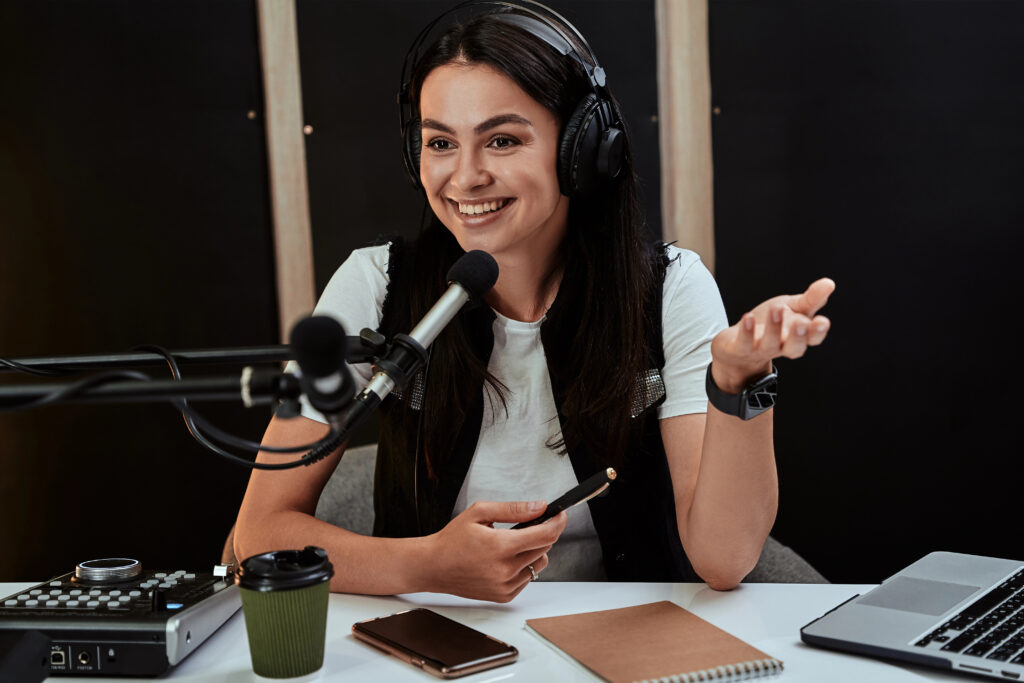
Going on established podcasts allows creators to reach audiences who are already regular audio content consumers. The host has earned the trust of listeners, and likewise the guests enjoy the trust of the host.
Guest appearances require no production work from the guest. While the guest simply shows up and shares their expertise, the host takes care of the recording, editing, and distribution.
Key benefits of podcast guesting include:
- Exposure to a pre-qualified target audience interested in related topics
- Backlinks and mentions that improve SEO rankings
- Content that can be repurposed for email marketing and social media
- Network expansion with other podcasters and influencers
- Audio clips for use on podcast platforms and membership sites
Every appearance generates a wealth of marketing material. You can share episodes with your mailing list, post clips to LinkedIn, and reference your interview in your newsletter.
This method is ideal for those with a podcast and looking to grow their brand. When they go on other programs, they can of course mention their podcast and invite newcomers.
A unique identity can be established in a niche. By regularly showing up, it positions an individual as an authority, which draws in sponsors and would-be membership site subscribers.
Most hosts of podcasts tend to regularly source out quality guests as such this is one of the easier strategies to implement. When your pitch is communicated well and shows value to the host’s audience, it tends to get positive results.
Doing Your Own Outreach
Podcasters engage in direct outreach using dedicated platforms that connect them with potential guests, collaborators, and promotional opportunities. By creating structured environments where podcasters and guests can actively seek each other out, these services eliminate cold email guesswork.
Podcast Guest
In Podcast Guest, podcasters can search for interview subjects on the basis of industry, expertise and topics they cover. The platform permits hosts to filter candidates according to customized specifications, such as profession, location, and areas of expertise.
Creators upload the details and requirements for their show, then browse through guests’ profiles with bios, previous interviews, and talking points. Once a match looks promising, the system allows parties to communicate.
The platform saves users time by organizing guest discovery as opposed to manually searching LinkedIn or tweeting at them. Premium versions allow for unlimited contacts and additional search filters to be used when searching for other members.
MatchMaker.fm
MatchMaker.fm is a two-sided marketplace. Podcasters and potential guests create profiles to show their interests and availability. The profiles allow an alignment mechanism to connect content and audience between two profiles suitable for matchmaking.
The service requires both people to opt into a connection before contact details can be exchanged. It eliminates any unwarranted pitches and increases the chances of success.
When a podcast’s topic is a good match for a guest’s profile, the algorithm sends users a match alert. The tracking of response rate and booking success will help users improve their profiles for success. To fully access all matching features, MatchMaker.fm charges fees.
PodMatch
PodMatch is a guest-host matching service with an AI-assisted system that analyzes details on a podcast, the potential guest, and the interview type. Podcasters indicate the format of show, the characteristics of the ideal guest, and their availability through their profile.
Each day, the platform emails you match recommendations showing three to five suggested guests classified by their compatibility score. With approved matches, users will instantly receive each other’s contact information while declined matches will not.
PodMatch provides suggested questions and suggested angles for those topics based on the guest’s background. The reputation system enables the host and guest to provide a rating after the experience and help the community identify the reliable, professional member of the community.
Hiring VA
VA virtual assistant can take the repetitive task of editing show notes or scheduling the social media messages.
A great platform connects podcasters to a network of professionals who understand audio content workflow and marketing needs.
UpWork
UpWork connects you with thousands of virtual assistants whose history and feedback has been verified. According to the website, podcasters can post detailed job descriptions specifying the exact skill you need. For example, transcription, newsletter draft creation, SEO optimization, LinkedIn outreach, and so on.
With the help of search filters, you can sort freelancers by hourly rate, success score, and experience with podcast platforms or email marketing tools. The average rate for podcast VAs found on UpWork is $15-45 per hour.
Key features for podcasters:
- Milestone payments protect both parties by releasing funds only when deliverables are complete
- Time tracking tools monitor hours worked on tasks like mailing list management
- Direct messaging enables quick communication about episode schedules or content changes
New Online Jobs and Home Jobs for Freelancers, WordPress Experts, and More!
UpWork has a sliding service fee starting from 10% for long-term contracts. Podcasters should cautiously look at portfolios and try out small test projects before committing to them.
Fiverr Pro
The freelancers on Fiverr Pro pass evaluations and checks to ensure their professionalism. Unlike standard Fiverr sellers, these professionals typically have more experience with podcast marketing strategies and audience research.
The rates are packages with fixed prices, not hourly priced. Packages by a Pro VA might include a weekly newsletter ($200), monthly SEO ($350), influencer outreach campaigns ($500). This pricing model assists podcasters in budgeting more effectively.
Advantages of Fiverr Pro:
- Pre-screened talent with proven expertise in audio content
- Clear deliverables and timelines listed upfront
- Business-level support including dedicated account managers
Response times from Pro sellers average under six hours. The platform suits podcasters who need specific, repeatable tasks rather than flexible ongoing support.
Podcast Booking Agencies
Podcast booking agencies connect podcasters with ideal guests and help secure interviews on other shows. These services manage the outreach, scheduling and coordination for guest booking.
Podcasting Bookers
Podcasting Bookers connects podcast hosts with guests that are experts from all fields. The agency keeps a database of possible guests and manages every stage of the booking process: from the first contact to confirmation.
The service vets guests to ensure they align with the podcast’s audience and content goals. Podcasting Bookers serves as a communicative bridge between hosts and guests, easing the workload of podcast teams.
Hosts express the kind of guests they want to welcome, including domain expertise, profession, and availability. The agency then presents options that fit these requirements. Pricing generally adheres to a monthly retainer or per-booking fee.
Kitcaster
Kitcaster is a marketplace pairing podcast guests with hosts looking for interviews. The platform matches guests with podcasts based on topic, audience size, and content style using an algorithm.
Guests make profiles that state their expertise and what they want to discuss. Podcast hosts may review these profiles or get automated suggestions. The platform has scheduling tools and pre-interview preparations.
Kitcaster has a free and paid tier. The free version has basic matching, premium plans have priority placement and advanced filtering, match basically cost you nothing. The importance of matching through data is stressed for guest-host matching.
Interview Valet
Interview Valet strives to acquire podcast interview opportunities for thought leaders, authors, and business professionals. The agency helps clients to identify relevant podcasts and handles their booking process.
They find shows that are suitable based on your area of expertise. All communications, scheduling logistics, and post-communication handled by Interview Valet. The aim of the service is to position clients as authorities in their fields through podcasts.
The agency works on campaigns with clients rather than booking them a one-off. They offer job interview preparation and promotional advice for after the interview for each appearance.