Summary
If you have ever thought about being an Online Course Creator, you’ve no doubt wondered what the best platform is to build in. In this post, Jonathan is leading readers down a review of the best learning platforms available to creators.

Online Course Platform: Discover the Top 10 for Quality Learning
Navigating the multitude of online course platforms can be overwhelming, especially with the continuous growth of e-learning. The best online learning platforms cater to various learning styles and educational needs, offering structured courses and flexible learning experiences. Finding the right platform means evaluating options that align with specific learning goals and preferences.
These platforms often partner with top universities and educational institutions to provide high-quality content and courses ranging from coding to creative arts. Learners can explore platforms that offer free and paid plans, social learning opportunities, and mobile-friendly interfaces to maximize their learning journey. Popular online sources include well-known names such as edX and Skillshare, which have carved out educational technology niches.
The diversity of online learning solutions empowers individuals to continue learning wherever they are, using resources that fit their schedule and budget. Whether interested in professional development or personal enrichment, choosing an online learning platform that supports the desired outcomes is essential for meaningful progress. This article explores the top choices, helping learners pick the best fit for their educational endeavors.
What Benefits Exist From Online Learning Environments?
Online learning environments offer flexibility and convenience, allowing learners to access courses anywhere. This adaptability makes it easier for individuals with busy schedules to pursue education and professional development.
A variety of courses and programs cater to diverse learning preferences and interests. Video lectures, interactive modules, and discussion forums provide multiple ways to engage with content and enhance retention.
These platforms often provide a cost-effective alternative to traditional education. Many online learning environments offer accessible or affordable courses, reducing financial barriers and making education accessible to a broader audience.
Personalized learning allows individuals to progress at their own pace. Learners can revisit complex topics or skip ahead based on their understanding, fostering a customized educational experience.
Online learning environments often facilitate international collaboration and networking. Learners can interact with peers and instructors worldwide, broadening perspectives and enriching the educational experience.
Different From Learning Management Systems, What Are Online Learning Platforms?
Online learning platforms serve a unique role as intermediaries between learners and diverse educational content. These platforms provide broader access to learning resources compared to Learning Management Systems (LMS), which primarily organize and manage courses within an institutional context.
Course Marketplaces
Course marketplaces such as Udemy and Coursera exemplify how online learning platforms differ from traditional LMS systems. They connect instructors and learners globally. These platforms host various courses on various subjects, each taught by different educators, thus offering extensive variety and choice.
A COMPLETE STEP-BY-STEP CHEATSHEET
TO CREATING, LAUNCHING & GROWING A SUCCESSFUL MEMBERSHIP WEBSITE

Instructors can create and sell their courses to a broad audience, while learners benefit from the competitive market that improves content quality. With user-friendly interfaces, these platforms make online education accessible for everyone, regardless of location or education level.
Why Is It Different Than LMS?
Unlike LMS, which focuses on structured course management within educational institutions or corporations, online learning platforms are more flexible and learner-driven. They provide open access to learning content without the formalities associated with institutions. Their focus is on delivering personalized learning experiences.
These platforms often offer features such as course recommendations, subscriptions, and community interactions. They cater to individual preferences and learning speeds, enabling a self-paced and autonomous learning environment. This setup contrasts with LMS systems’ controlled and administrative structure, catering more to lifelong and informal learners than standardized education.
How Should One Decide On The Ideal Online Learning Platform?
Choosing the ideal online learning platform doesn’t have to be daunting. Key aspects include the structured delivery of course content, platform reliability, user experience, active community support, and reasonable pricing.
Helps With Course Content Structure
A well-structured course is essential for optimal learning. Platforms should provide tools for organizing content logically, such as modules, quizzes, and assignments. Look for platforms offering drag-and-drop capabilities and customizable templates. They should support diverse content types like videos, interactive elements, and text, ensuring a comprehensive learning experience.
Some platforms integrate content curation tools to streamline the development process, allowing educators to focus on enhancing the material rather than the technicalities.
Reliability
Reliability is critical for seamless learning experiences. An ideal platform should ensure minimal downtime, quick loading times, and robust security protocols to protect user data. Consistent updates that enhance functionality and bug fixes are also necessary.
The platform needs to handle peak usage times without issues. Checking user reviews can provide insights into common reliability challenges or successes.
UX Design
User experience (UX) design impacts engagement and learning efficiency. The platform should offer a clean, intuitive interface, making navigation straightforward for learners of all levels. Key features include a responsive design for mobile access and accessibility options to accommodate diverse needs.
Interface design elements like clear menus, concise instructions, and well-organized content can enhance the learner’s journey. Trial versions can be beneficial in assessing these aspects first-hand.
Community Support
Community support fosters an interactive learning environment. Platforms should offer opportunities for discussion forums, peer feedback, and collaborative projects. These elements not only help in understanding the material but also build a network among users.
Look for platforms with features allowing direct interactions with instructors or mentors. Check whether there are active user communities or support groups, as they can significantly aid learning.
Pricing
Pricing can influence the decision significantly. Some platforms offer free trials or basic plans without cost, allowing users to explore before committing. It’s essential to compare the value provided by the platform against its cost.
Consider whether there are hidden fees for additional features or content. Some platforms offer subscription-based models, which may include more comprehensive learning resources and support. Constantly evaluate if the investment aligns with specific learning goals.
Best Online Learning Platforms
Exploring online learning platforms can transform educational experiences by offering diverse courses, flexible learning schedules, and interactive content. Below are some of the most notable platforms known for their distinctive features and comprehensive learning solutions.
LifterLMS
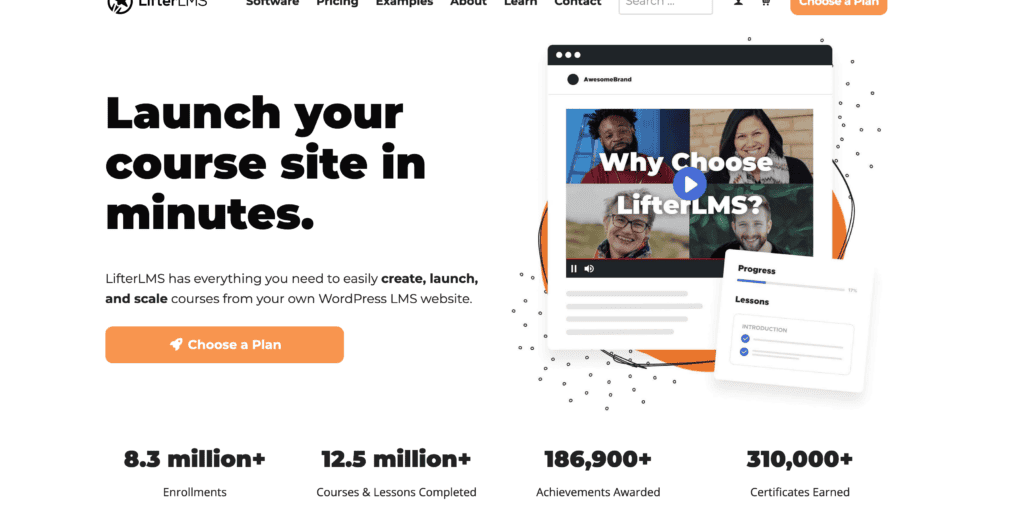
LifterLMS is an adaptable learning management system (LMS) specifically designed for WordPress. Users appreciate its flexibility and robust design capabilities, which allow for creating custom courses with multimedia options. Unique selling points include integrating popular plugins such as WooCommerce for e-commerce solutions and gravity forms for handling complex interactions. The platform supports various business models, including subscriptions and memberships, making it attractive for entrepreneurs and educators seeking to monetize their offerings. Pricing varies based on additional features and support, with lower pricing tiers accessible for smaller projects.
Prices Free | Earth Bundle $299 | Universe Bundle $499 | Infinity Bundle $1,499 per year
Podia
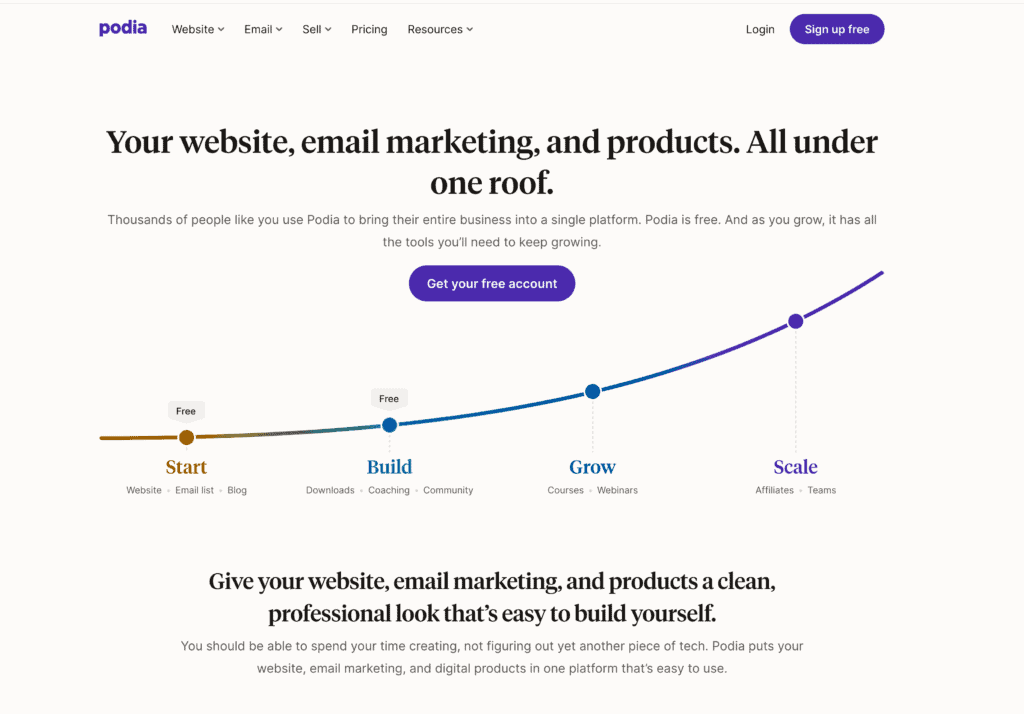
Podia stands out for its user-friendly interface and all-in-one capabilities that cater to online course creators and digital product sellers. Its streamlined design makes managing courses, webinars, and digital downloads straightforward, which is appreciated by users who value efficiency. Podia offers built-in marketing tools, including email marketing and affiliate programs, enabling creators to engage their audience effectively. The platform’s transparent pricing model, absent of transaction fees, further appeals to startups and small businesses aiming for cost-efficiency. Additionally, Podia provides 24/7 customer support to assist users in optimizing their online presence.
Prices Free (10% fee on sales) Mover $39 ( plus 5% on sales) per month
LearnDash
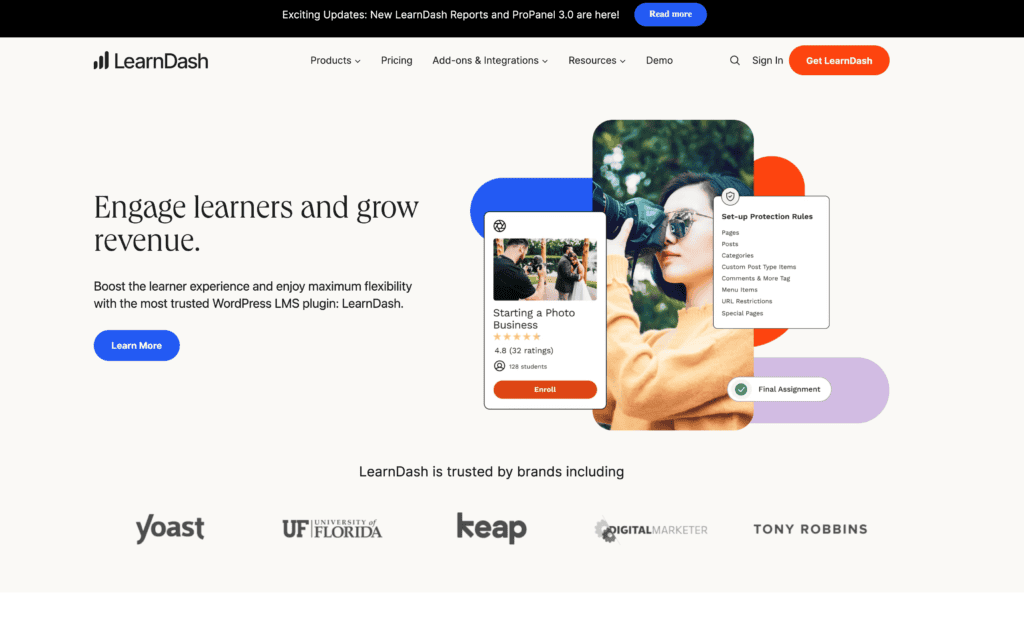
LearnDash is renowned for its robust feature set that caters to professional education and complex learning structures. It integrates smoothly with WordPress and is favored for its dynamic quiz capabilities and drip-feed content delivery, which enhances learner engagement. Features like grade books, points, and certificates provide a comprehensive way to assess and motivate learners. Educational institutions and large corporations benefit from LearnDash’s capability to scale up with many users. Pricing is competitive, with options suited for various organization sizes and needs. Support through extensive documentation and an active community forum helps users maximize platform potential.
Prices $199 per year
Teachable
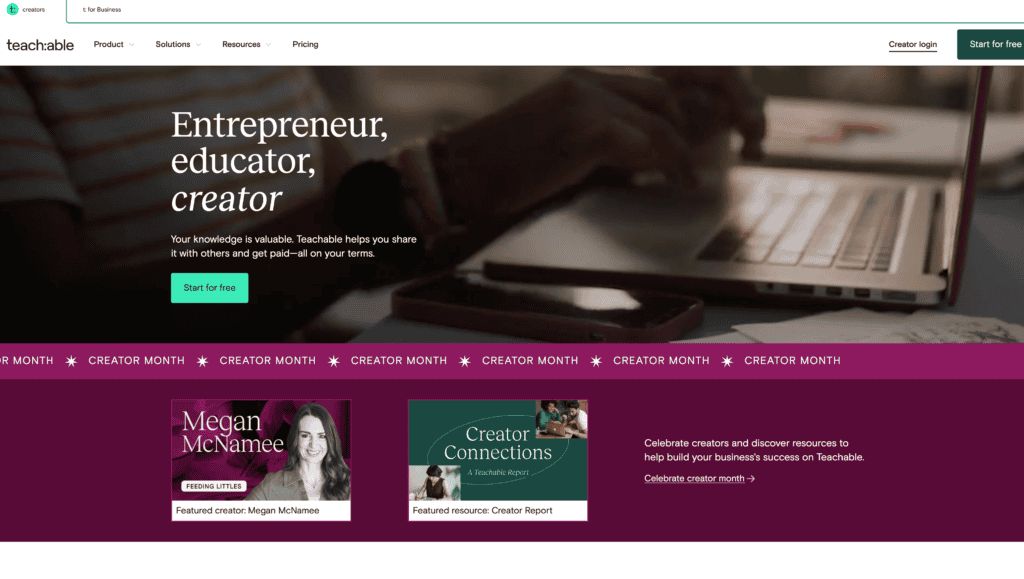
Teachable is a versatile platform ideal for creators looking to host online courses without extensive technical knowledge. It provides customizable templates, making course creation easy, and supports integrations with popular tools such as Zapier and Mailchimp. Teachable is known for its powerful marketing options, allowing course creators to market their courses effectively. The pricing for Teachable is accessible, with no transaction fees on higher plans, making it a compelling choice for individuals or businesses aiming to launch and scale their educational ventures quickly. Support resources, including webinars and tutorials, enhance its user experience.
Prices Basic $39 | Pro $119 | Pro + $199
TutorLMS
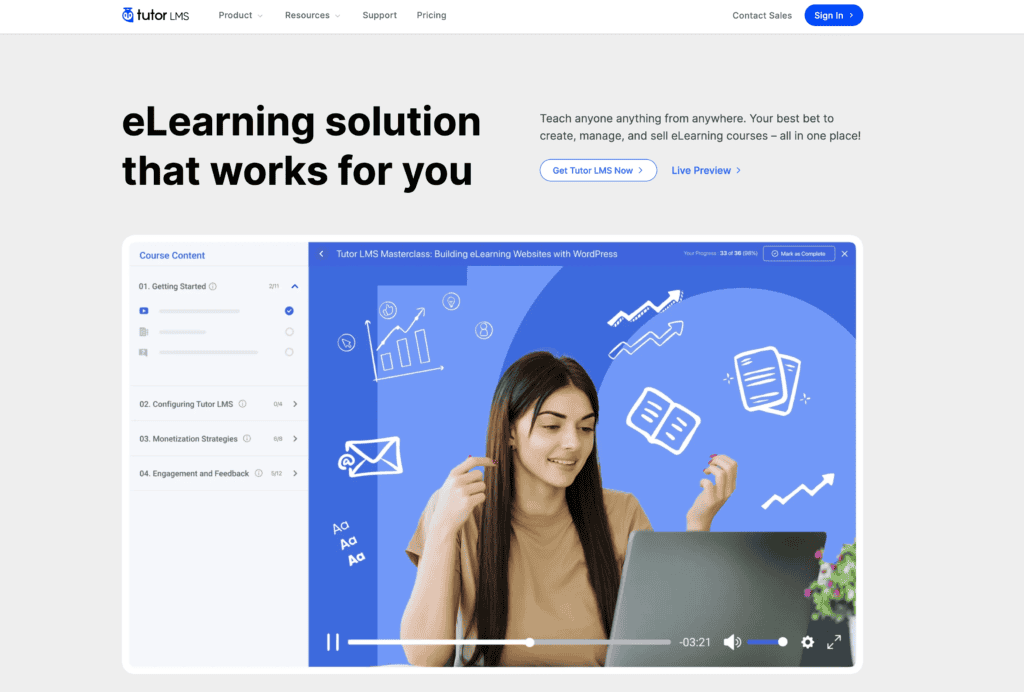
As a WordPress-based LMS, TutorLMS provides comprehensive tools for developing engaging courses focusing on education-centered features. Its compatibility with popular plugins like Elementor for page building adds customization strength and its wide range of quiz options enhances assessment accuracy. Tutors can utilize detailed analytics to monitor progress, ensuring a thorough tracking process. It suits educational organizations and individuals looking to create detailed learning paths. With its commitment to continuous feature enhancements, TutorLMS remains a strong contender in the e-learning landscape, especially for WordPress enthusiasts.
Individual $199 | Business $399 | Agency $799
Kajabi
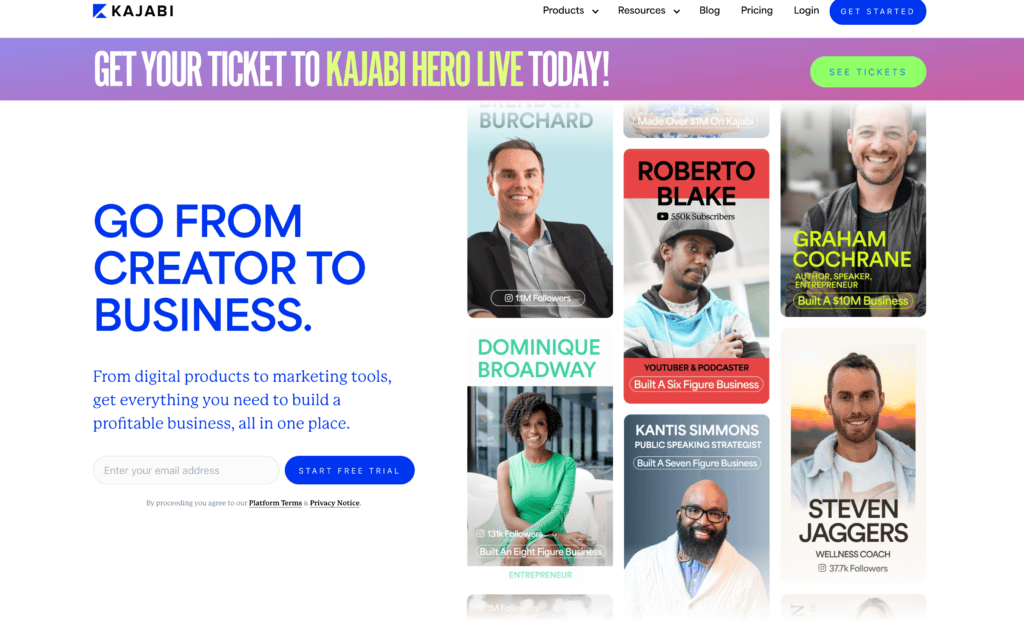
Kajabi is a complete solution for knowledge entrepreneurs wanting to create, market, and sell digital products. Users value its integration of course creation, email marketing, and website building into one platform. Kajabi provides detailed automation settings, simplifying the user journey by targeting specific customer actions or stages. Though its pricing may be higher than some competitors, the comprehensive nature of its offerings justifies the cost for many. The platform’s emphasis on maintaining high-quality customer experiences drives user satisfaction and business growth.
Prices Kickstarter $69 | Basic $149 | Growth $199 | Pro 399 per month
LearnWorlds
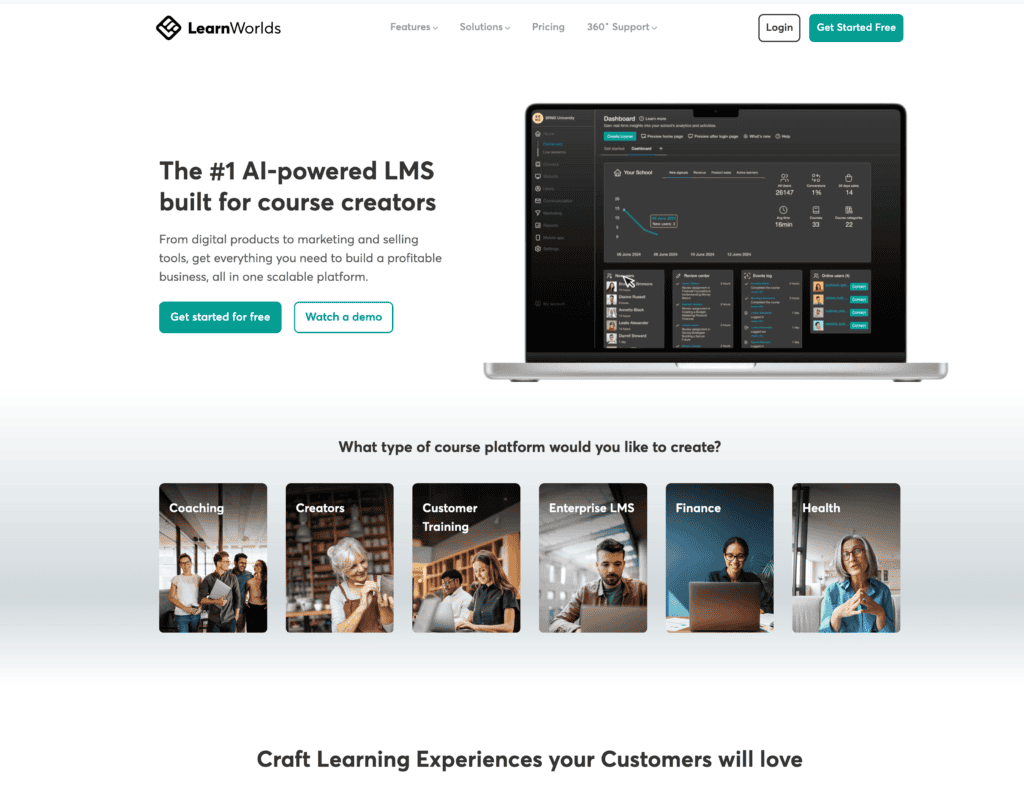
LearnWorlds is known for its interactive course features and dynamic design elements that create engaging e-learning experiences. Users can incorporate multimedia quizzes, video interactions, and detailed analytics, which appeal to those wanting to build immersive learning environments. The platform supports branded mobile apps, adding a layer of convenience for accessing courses on the go. LearnWorld’s pricing models cater to various educators’ and institutional needs, reinforcing its appeal to a diverse educational audience. The platform’s continuous updates ensure adaptation to educational trends and learner expectations.
Prices Starter $29 | Pro Trainer $99 | Learning Center $299
Frequently Asked Questions
Q: What should I consider when choosing the best online learning platform?
A: When choosing the best online learning platform, consider factors such as the variety of courses offered, the quality of the instructors, user interface, pricing, and the availability of features like mobile learning and learning paths.
Q: What are some of the top online learning platforms available today?
A: Some top online learning platforms include Coursera, Udemy, LinkedIn Learning, edX, and Skillshare, among others. These platforms are often featured in lists of the best online learning platforms for their wide range of courses and user-friendly interfaces.
Q: How can I sell online courses effectively?
A: To sell online courses effectively, choose an online platform that supports course creation and marketing. Use social media to promote your courses and offer free classes or plans to attract potential customers. Additionally, ensure that your courses provide value and have a clear learning outcome.
Q: Are there free courses available on top online learning platforms?
A: Yes, many top online learning platforms offer free courses. For instance, platforms like Coursera and edX provide access to various free courses from universities and institutions, allowing learners to explore subjects without financial commitment.
Q: What is the importance of mobile learning in online education?
A: Mobile learning is crucial in online education as it allows learners to access courses anytime and anywhere through their smartphones or tablets. This flexibility enhances the learning experience and accommodates different learning styles and schedules.
Q: Can online learning platforms help with professional development?
A: Many online learning platforms offer specialized courses and learning programs for professional development. These can help individuals enhance their skills, obtain certifications, and advance their careers in their respective fields.
Q: What are the benefits of open learning in digital education?
A: Open learning allows learners to access various resources and courses without restrictions. It promotes collaborative learning and will enable individuals to take control of their educational journeys, a key benefit of many online learning platforms.
Q: How do I know if an online learning platform is right for me?
A: To determine if an online learning platform is right for you, consider your learning goals, preferred learning style, and the specific features you need, such as mobile learning or interactive content. Reading reviews and exploring free trials can also provide insight into whether the platform meets your needs.
Q: What learning paths can I find on the best e-learning platforms?
A: The best e-learning platforms offer structured learning paths that guide users through courses or modules tailored to specific skills or career goals. These paths range from foundational topics to advanced programming, design, and business management expertise.
Q: How do online learning platforms facilitate remote learning?
A: Online learning platforms facilitate remote learning by providing users access to course materials, video lectures, forums for discussion, and assessments online. This allows learners to engage with content and instructors from anywhere, making education more accessible.
Final Thoughts
Selecting the right online learning platform depends significantly on individual needs and preferences. Varied platforms offer unique features that can cater differently to personal or professional growth goals. Users should evaluate what they want to learn, their budget, and the time they can commit.
Many platforms provide free and paid plans. This allows for flexibility, with free versions offering a glimpse into content quality. A critical consideration is how these platforms align with specific learning goals, particularly the quality and type of content available.
Evaluating the user interface and accessibility is essential. Learning should be an enjoyable and seamless experience, and a platform’s design plays a crucial role. Mobile accessibility is increasingly vital, especially for learners who are frequently on the move.
Platform partnering with top universities can provide a more structured and accredited learning experience for those interested in specialized knowledge areas. This is especially helpful for individuals seeking industry-specific skills or certifications.
Social learning features, like discussion forums, enhance interaction and provide a community of learners to exchange ideas. This can aid in deepening comprehension and broadening perspectives on various subjects.