Summary
With Search Engine Optimization for Higher Education, the focus should be on enrollment. Large capital decisions take more than a single exposure to gain conversion, so it stands to reason that Higher Education SEO requires a strategy that shows high student intent but also integrates well with extended page-visit journeys. Add to that the emotional decision of how a student decides on school, and you have a unique mix that may require special expertise.
In this post, Jonathan also exposes the effects of artificial intelligence on the Search Engine game and its not-so-subtle influence in this Higher Education market.
SEO for Higher Education: Essential Strategies to Boost Enrollments
Colleges and universities face growing competition for student attention in search results. SEO for higher education helps schools improve their visibility online, connect with prospective students, and increase enrollment by making their programs easier to find. Without a solid SEO strategy, even great academic programs can get lost in search engines while competitors capture interested students.
Most students begin their college search on Google or other search engines. They look for specific programs, compare schools, and read reviews before ever contacting an admissions office. Schools that optimize their websites for these searches show up first and make stronger connections with potential students. Part of your site’s success relies on the experience of living up to the search hype.
This article covers the current state of higher ed SEO and why it matters more than ever. It explains how students search for colleges, what technical factors affect rankings, and how AI is changing the search landscape. Finally, how all of this takes its final shape when your prospective student lands on the site. Schools will learn practical tactics and best practices to build an SEO strategy that drives results over time.
Why Colleges and Universities Need SEO Right Now
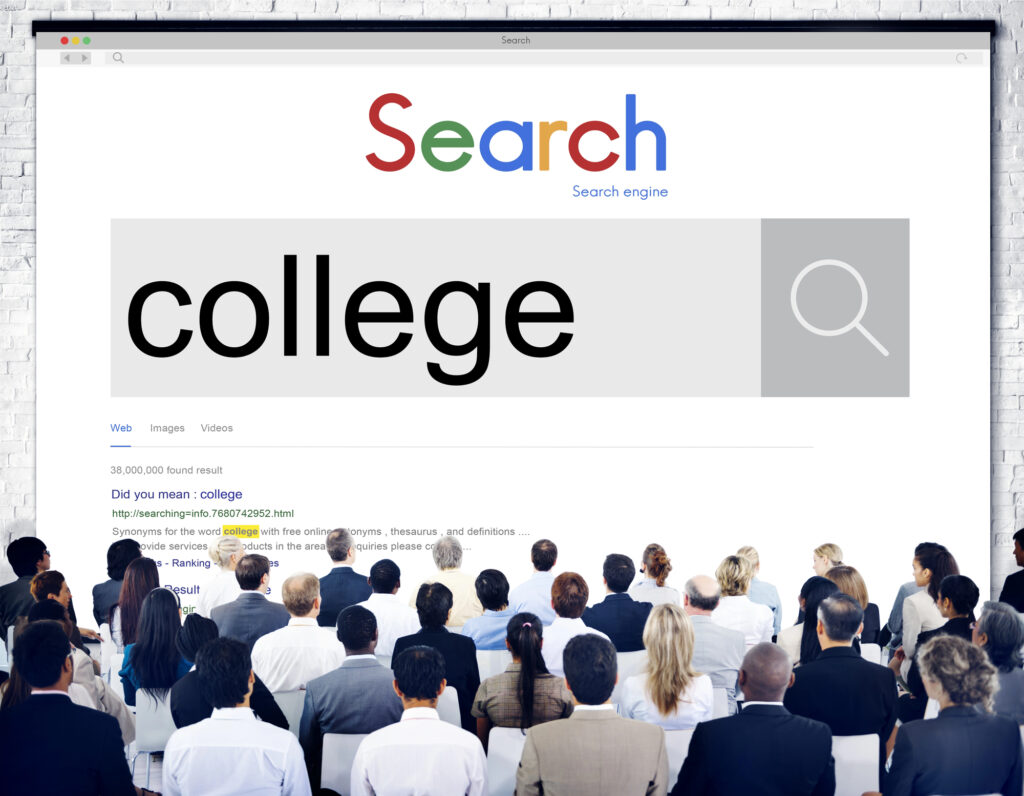
Students search online before making enrollment decisions. They use search engines to find programs, compare schools, and research campus life. Without strong SEO, colleges and universities miss opportunities to connect with prospective students.
The competition for student attention has increased significantly. Every school wants to rank high in search results for key programs and degree offerings. Schools that invest in SEO strategies gain better visibility when students search for their programs.
Key reasons higher ed institutions need SEO:
- Most students begin their college search on Google or other search engines
- High search rankings build trust and credibility with prospective students
- Organic search drives qualified traffic to university websites at no cost per click
- SEO helps schools compete with both traditional institutions and online programs
Traditional marketing methods no longer reach students as effectively. Digital search has become the primary way prospective students discover and evaluate colleges and universities. Schools that appear on the first page of search results receive the majority of website traffic and inquiries.
Budget constraints make SEO even more valuable for higher ed marketing. Once a university website ranks well, it continues to attract prospective students without ongoing advertising costs. The investment in optimization delivers long-term returns through increased visibility and enrollment. However, monitoring this success requires ongoing maintenance.
Families expect schools to have a strong online presence. A website that doesn’t appear in search results raises questions about the institution’s reputation and relevance.
Student Enrollment SEO Journey

Prospective students move through specific stages when searching for colleges and universities online. Understanding this journey helps schools create better SEO strategies that meet students where they are in their decision-making process.
The Three Main Stages:
- Awareness Stage – Students search broad terms like “best engineering programs” or “colleges near me”
- Consideration Stage – Students compare specific schools and programs using terms like “UCLA vs USC computer science”
- Decision Stage – Students look for application details, deadlines, and program-specific information
Each stage requires different content and optimization approaches. Schools need to optimize for all three stages to capture students throughout their search journey.
During the awareness stage, blog posts and general program pages perform well. Students want educational content that helps them understand their options. Keywords tend to be broad and informational.
The consideration stage demands detailed program pages and comparison content. Students research specific degrees, campus life, and costs. They use longer, more specific search terms that include school names and program types.
At the decision stage, students need clear calls-to-action and easy navigation to application pages. They search for deadlines, requirements, and financial aid information. These pages must load quickly and provide direct answers.
Schools should map their content to each stage. This ensures they appear in search results no matter where a student is in their enrollment journey. Missing any stage means losing potential students to competitors who show up in those searches.
Key SEO Tactics for Higher Ed
Colleges and universities need specific SEO tactics to attract prospective students and improve their search rankings. These strategies help institutions stand out in competitive search results.
Technical SEO forms the foundation of any successful higher education website. Schools must ensure their sites load quickly, work well on mobile devices, and have clean code. Page speed directly affects how search engines rank university websites.
Keyword research helps institutions understand what students actually search for online. Universities should focus on program-specific terms, location-based searches, and questions prospective students ask. This research guides content creation and optimization efforts.
Program pages require special attention in higher ed SEO. Each degree or certificate program needs its own optimized page with clear information about:
- Admission requirements
- Course descriptions
- Career outcomes
- Tuition and financial aid
- Application deadlines
Content optimization means updating existing pages to match search intent. Universities and colleges should review their website content regularly and make improvements based on performance data.
Regular audits identify technical issues and opportunities for improvement. Schools should check for broken links, duplicate content, missing meta descriptions, and other problems that hurt rankings.
Local SEO matters for institutions that serve specific geographic areas. Universities need accurate listings on Google Business Profile and other directories. This helps students find campus locations and contact information easily.
Link building through partnerships, research publications, and community engagement strengthens domain authority. Quality backlinks from reputable sources signal credibility to search engines.
Satisfy Student Search Intent
Search intent represents what students actually want to find when they type a query into Google. Understanding this intent is essential for higher education SEO success.
Students search for different things at different stages. Some look for general information about majors or career paths. Others want specific details about tuition costs, application deadlines, or campus facilities. A strong SEO strategy addresses all these needs.
Common types of student search intent include:
- Informational: Students want to learn about programs, campus life, or career options
- Navigational: Students search for specific university pages or departments
- Transactional: Students are ready to apply, schedule a tour, or request information
Program pages should answer the questions students ask most. This means including clear information about degree requirements, career outcomes, faculty expertise, and admission criteria. Each page needs to match what searchers expect to find.
Schools can identify search intent by analyzing the current top-ranking pages for their target keywords. The content format and topics on those pages reveal what search engines believe users want. Universities should examine the questions students ask on social media, during campus visits, and through admissions inquiries.
Content must be specific and actionable. Vague descriptions don’t satisfy intent. Students need concrete facts about program length, costs, job placement rates, and next steps. Pages that directly answer these questions will rank better and convert more visitors into applicants.
How AI Is Changing Higher Ed SEO

AI tools are reshaping how colleges and universities approach search engine optimization. These technologies now help schools analyze large amounts of data faster than manual methods ever could.
Search engines use AI to understand user intent better. Google’s algorithms can now tell the difference between someone searching for “programs” as a prospective student versus a current student looking for campus events. Higher ed websites need to create content that matches these specific search intents.
AI-powered tools help with several key SEO tasks:
- Keyword research – AI identifies search terms that prospective students actually use
- Content optimization – Tools suggest improvements to make pages rank better
- Technical audits – AI scans university websites to find and fix problems
- Competitor analysis – Systems track what other schools are doing with their SEO
Chatbots and AI assistants on university websites now affect SEO performance. When these tools answer student questions well, visitors stay on the site longer. This signals to search engines that the website provides value.
AI also helps colleges predict which keywords will drive enrollment. The technology can analyze past search data to show which terms led students to apply or enroll.
Schools can use AI to test different versions of program pages. The tools measure which layouts and content work best for search rankings. This makes optimization faster and more accurate than traditional testing methods.
Many higher ed marketing teams now rely on AI for routine SEO tasks. This frees up time to focus on strategy and creating quality content that serves prospective students.
How to Build a Long-Term SEO Strategy
Building a strong SEO strategy takes time and planning. Higher education institutions need to think beyond quick fixes and focus on sustainable growth.
Start with a complete audit of the current website. This means checking technical issues, page speed, and mobile performance. Schools should identify what works and what needs improvement before moving forward.
Keyword research forms the foundation of any strategy. Colleges and universities must understand what prospective students search for online. This includes program names, degree types, and career-related terms. The research should guide content creation for months ahead. This requires real research. Jotting down some sayings on a legal pad doesn’t cut it. This phase is worth a deep dive to see what actual students are currently searching and reasonable phrases to expand that footprint.
Create a content calendar that spans at least six months. Each program page needs optimization with relevant keywords and clear information. New content should address student questions and concerns throughout their decision journey.
Key elements to track and maintain:
- Page speed improvements
- Mobile site performance
- Broken links and redirects
- Meta descriptions and title tags
- Image optimization
- Internal linking structure
Technical SEO requires ongoing attention. Regular monitoring catches problems before they hurt search rankings. Most universities benefit from quarterly technical reviews.
Link building should happen naturally through quality content. Guest posts on education sites, partnerships with other institutions, and media coverage all build authority over time.
The strategy should include monthly performance reviews. Schools need to track which pages drive enrollment interest and which need updates. Adjustments based on data keep the strategy effective as search engines change their algorithms.
Frequently Asked Questions
Higher education institutions face specific challenges when optimizing their websites for search engines, from technical performance issues to creating content that resonates with prospective students. These common questions address practical strategies and best practices that colleges and universities can implement to improve their search rankings and support enrollment goals.
What are the most effective ways to improve a university website’s organic search visibility?
Universities should focus on three main areas to boost their search visibility. First, they need to optimize their site structure so search engines can easily crawl and index all pages. Second, creating high-quality content that answers questions prospective students actually ask helps pages rank for relevant searches.
Technical performance plays a big role in search visibility. Sites that load quickly and work well on mobile devices tend to rank better than slow or poorly designed sites.
Building authoritative backlinks from educational organizations, news outlets, and industry publications also strengthens a university’s search presence. These links signal to search engines that the institution is trustworthy and relevant.
How can colleges use keyword research to attract prospective students to program pages?
Keyword research helps colleges understand what terms prospective students type into search engines. Schools should identify phrases related to specific degree programs, career outcomes, and program features that matter to their target audience.
Long-tail keywords work particularly well for program pages. Instead of targeting broad terms like “business degree,” colleges can optimize for specific phrases like “online MBA in healthcare management” or “nursing program with clinical rotations.”
Search intent matters just as much as search volume. Students in the early research phase might search for “what can you do with a psychology degree,” while those ready to apply search for “psychology program application deadline.” Program pages should address both types of queries.
What should be included in a comprehensive website optimization checklist for higher education institutions?
A thorough checklist starts with technical elements like site speed, mobile responsiveness, and SSL security. These foundational factors affect how search engines crawl and rank the site.
On-page elements require regular review. Each page needs a unique title tag, meta description, and properly structured headings. Images should have descriptive alt text, and internal links should connect related content across the site.
Content quality deserves attention on any checklist. Pages should provide accurate, current information about programs, admissions requirements, and campus resources. Duplicate content across program pages should be eliminated or consolidated.
The checklist should also cover URL structure, XML sitemaps, and robots.txt files. These technical components help search engines understand and index the site correctly.
Which technical factors most often affect search rankings for college and university websites?
Page speed significantly impacts rankings for higher education sites. Large image files, unoptimized code, and slow server response times can drag down performance scores and hurt visibility.
Mobile usability has become a critical ranking factor. Search engines prioritize sites that display properly on smartphones and tablets, which many prospective students use for research.
Broken links and crawl errors prevent search engines from properly indexing content. Universities with large, complex sites often accumulate these issues over time without regular audits.
Site security through HTTPS encryption is now a standard requirement. Search engines flag non-secure sites, which can damage trust and rankings.
Duplicate content across multiple program pages or campus locations confuses search engines about which version to rank. This problem frequently affects universities with similar programs at different campuses.
How can institutions optimize program pages to support enrollment goals?
Program pages should include specific information that prospective students need to make decisions. This includes curriculum details, career outcomes, faculty credentials, and admission requirements presented in clear, scannable formats.
Each program page needs unique content that differentiates it from similar offerings. Generic descriptions copied across multiple programs provide little value to students or search engines.
Strong calls-to-action guide visitors toward the next step, whether that’s requesting information, scheduling a campus visit, or starting an application. These elements should be prominent without disrupting the user experience.
Student testimonials and success stories add credibility to program pages. Real examples of graduate outcomes help prospective students envision their own success.
How often should a higher education website be audited and updated for search performance?
Institutions should conduct a comprehensive technical audit at least twice per year. These audits identify crawl errors, broken links, page speed issues, and other technical problems that accumulate over time.
Content audits should happen annually to review program information, admission requirements, and other details that may change. Outdated content hurts both user experience and search rankings.
Certain pages require more frequent updates. Program pages should be reviewed each semester to reflect current curriculum, faculty, and outcomes data. News and events sections need weekly or monthly attention to stay relevant.
Ongoing monitoring between formal audits helps catch emerging issues quickly. Traffic drops, ranking changes, or technical errors should trigger immediate investigation rather than waiting for the next scheduled audit.
Final Thoughts
SEO for higher education requires ongoing effort and attention. Colleges and universities cannot simply implement a few changes and expect lasting results. Search engines update their algorithms regularly, which means institutions must stay current with best practices.
The most successful higher ed SEO strategies combine several key elements:
- Technical optimization to ensure fast page speeds and mobile responsiveness
- Quality content that answers prospective student questions
- Strategic keyword research focused on program-specific terms
- Regular audits to identify and fix issues
Schools that treat SEO as a core part of their marketing strategy will see better results than those that view it as a one-time project. The work demands consistent monitoring and adjustment based on performance data.
Higher education institutions compete for the same prospective students in search results. A strong SEO foundation helps schools reach students actively searching for programs. This makes SEO an essential tool for enrollment growth.
The tactics outlined throughout this guide provide a solid starting point. However, each institution must adapt these strategies to fit their specific goals and audience. What works for one university may need modification for another.
Schools should focus on creating value for prospective students through their web presence. This means prioritizing user experience alongside technical SEO requirements. When institutions align their SEO efforts with student needs, they build a sustainable path to improved visibility and enrollment.