Summary
Possessing the knowledge to launch a Mental Health Business online is quite an accomplishment. It stands to reason that if your strengths lie in that pathway, forming an online platform to host your content falls outside that strength. This is why Jonathan is exploring the topic of launching a successful Therapy Practice online. In this post, he refers you to excellent tools in the space and brings up solutions to potential roadblocks in this niche.

Mental Health Business: Launching a Successful Online Therapy Practice
Starting a mental health business online can be a rewarding venture. The demand for mental health services has grown, especially with the rise of telehealth. Many people now seek therapy and counseling from the comfort of their homes.
A solid business plan is key to success in the online mental health field. This plan should cover your target audience, services offered, and marketing strategy. Choosing the right technology platforms for delivering therapy sessions and managing client information securely is also essential.
Building an online presence is crucial for attracting clients. This includes creating a professional website, using social media, and implementing SEO strategies. It’s also helpful to network with other health professionals who can refer clients to your practice.
Key Takeaways
- A well-crafted business plan is essential for starting an online mental health practice.
- Selecting secure, user-friendly technology platforms is critical for telehealth services.
- Building a strong online presence helps attract and retain clients
Develop a Business & Marketing Plan

A solid business plan forms the foundation of any successful mental health practice. It outlines goals, target clients, and financial projections.
Key elements to include:
- Executive summary
- Services offered
- Market analysis
- Marketing strategy
- Financial plan
- Operational details
The marketing plan is crucial for attracting clients. It should cover:
• Branding • Website development • Social media presence • Advertising channels • Networking strategies
Research the local market to identify gaps in mental health services. This helps tailor offerings to meet community needs.
Set clear, measurable goals for client acquisition and revenue. Track progress regularly and adjust strategies as needed.
A COMPLETE STEP-BY-STEP CHEATSHEET
TO CREATING, LAUNCHING & GROWING A SUCCESSFUL MEMBERSHIP WEBSITE

Consider partnering with other health professionals or organizations to expand your reach. Referrals can be a valuable source of new clients.
Budgeting for marketing activities is essential. Allocate funds for website hosting, advertising, and promotional materials.
Stay flexible and open to new opportunities. The mental health field evolves rapidly, so adaptability is key to long-term success.
Building Online Business Relationships with Referral Sources

Connecting with referral sources is key for growing a mental health practice online. Doctors, schools, and community groups can send new clients to therapists.
To build these relationships virtually:
• Join online professional groups • Attend virtual networking events • Engage on social media platforms • Write guest blog posts for related websites • Host webinars for potential referral partners
Therapists should create an elevator pitch about their practice. This short description helps explain services quickly in online settings.
Offering free consultations to referral sources builds trust. It lets them experience the therapist’s style firsthand before recommending clients.
Sending regular email updates keeps referral partners informed. Include practice news, new services, and helpful mental health tips.
Tracking referrals is essential. Use practice management software to log where new clients come from. This shows which online relationships are most valuable.
Remember to follow up and say thanks. A quick email or handwritten note goes a long way in maintaining good connections.
With effort, therapists can build a strong referral network online. This brings in new clients and helps grow their mental health practice.
The Best Ways in 2025 to Promote Your Online Therapy Practice

Social media remains a key tool for therapists to connect with potential clients in 2025. Platforms like Instagram and TikTok allow sharing of short, engaging mental health tips and insights.
Creating helpful content on a blog or YouTube channel can boost visibility in search results. Topics might include coping strategies, self-care ideas, or explanations of different therapy approaches.
Partnering with other wellness professionals like nutritionists or yoga instructors can expand reach. Cross-promotion introduces each practice to new audiences.
Top promotional strategies:
- Regular social media posts
- SEO-optimized website content
- Collaborations with complementary businesses
- Client testimonials (with permission)
- Community involvement
Online directories for therapists have grown more sophisticated. Claiming profiles on popular platforms helps potential clients find the practice.
Virtual networking events connect therapists with doctors, schools, and other referral sources. Building these relationships can lead to steady client flow.
Paid online advertising allows for precisely targeting ideal clients based on demographics, interests, and location. Even small budgets can be effective when ads are well-crafted.
Offering free initial consultations gives potential clients a low-risk way to connect. This helps build trust and can lead to long-term therapeutic relationships.
The Best WordPress Tools You’ll Need in 2025
WordPress tools continue to evolve, offering exciting new features for website owners. These top picks will boost your site’s functionality and user experience.
The Right Hosting Provider
Choosing a solid hosting provider is key for any WordPress site. In 2025, look for hosts that offer:
- Automatic updates and backups
- Enhanced security features
- Fast loading speeds
- 24/7 customer support
Top providers like WP Engine and Kinsta now include AI-powered optimization tools. These analyze your site and suggest improvements for speed and SEO.
Many hosts also offer built-in content delivery networks (CDNs). This helps your site load quickly for visitors around the world.
LifterLMS
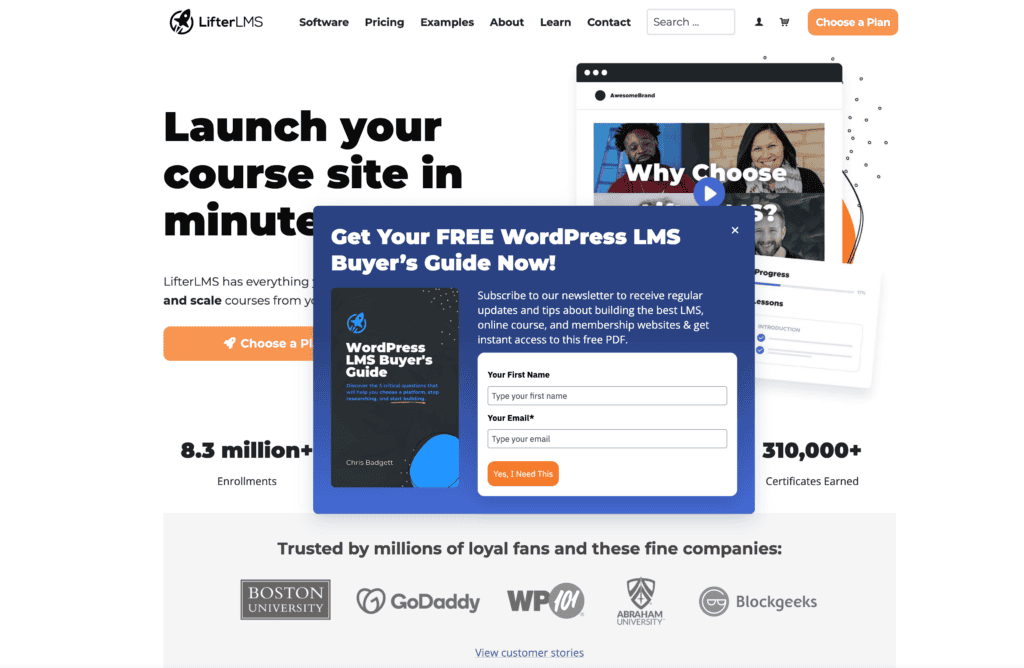
LifterLMS has become a go-to tool for creating online courses. Its 2025 version includes:
- AI-powered course creation assistant
- Virtual reality (VR) lesson integration
- Advanced gamification features
The AI assistant helps you plan and structure courses based on your topic. It even suggests engaging activities and quizzes.
VR lessons let students experience immersive content. This works great for topics like history, science, and art.
New gamification tools include customizable badges, leaderboards, and reward systems. These keep students motivated and boost course completion rates.
Prices Core Free | Earth Bundle $149.50 | Universe Bundle $249.50 | Infinity Bundle $749.50 per year
Kendence WP
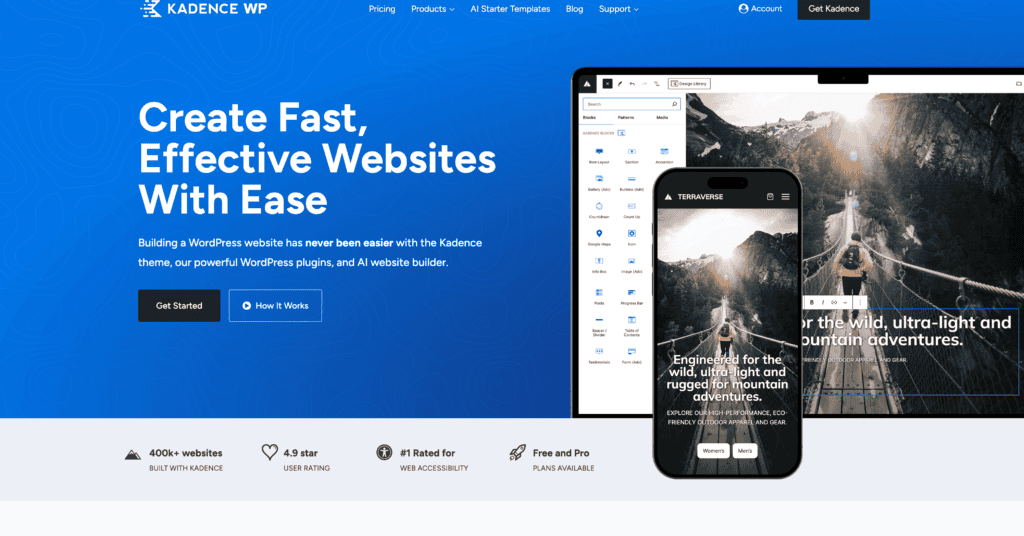
Kendence WP is a powerful design tool that’s gained popularity. Key features include:
- No-code site builder
- AI-generated layouts
- Real-time collaboration
The no-code builder lets anyone create professional-looking sites. You can drag and drop elements to build custom pages.
AI-generated layouts offer inspiration based on your industry and goals. This saves time and ensures your site looks modern.
Real-time collaboration allows team members to work on the site together. You can see changes instantly and leave comments for others.
Prices Free | Essential Bundle $149 | Full Bundle $219 per year
FluentBooking
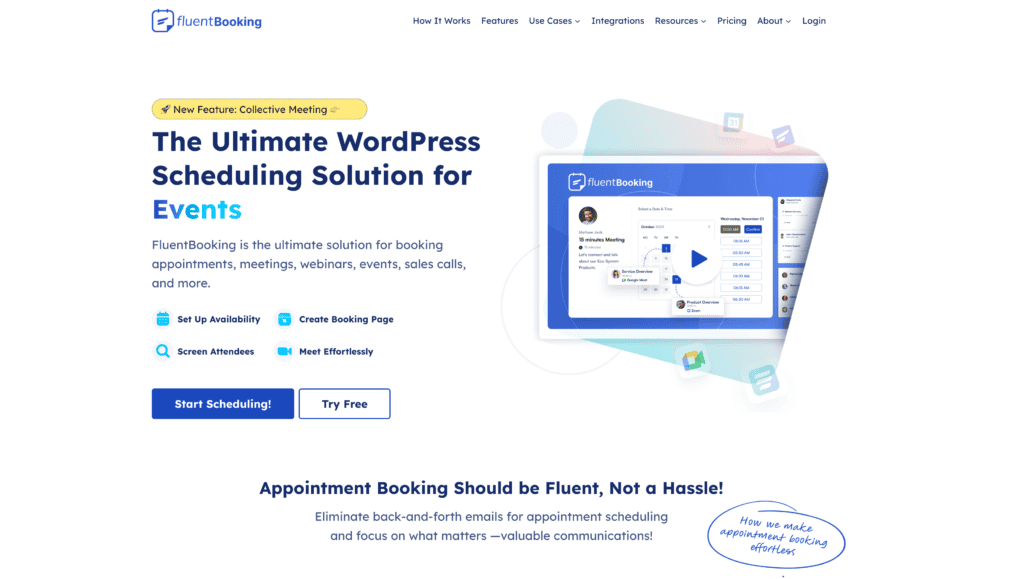
FluentBooking has become a top choice for appointment scheduling. In 2025, it offers:
- Smart scheduling with AI
- Multi-location support
- Integrated payment processing
The AI scheduler learns from your booking patterns. It suggests optimal time slots to maximize your availability.
Multi-location support is excellent for businesses with several offices. Customers can easily book at their preferred location.
Integrated payments let clients pay when they book. This reduces no-shows and saves time on billing.
Prices $63 per year
Zoom
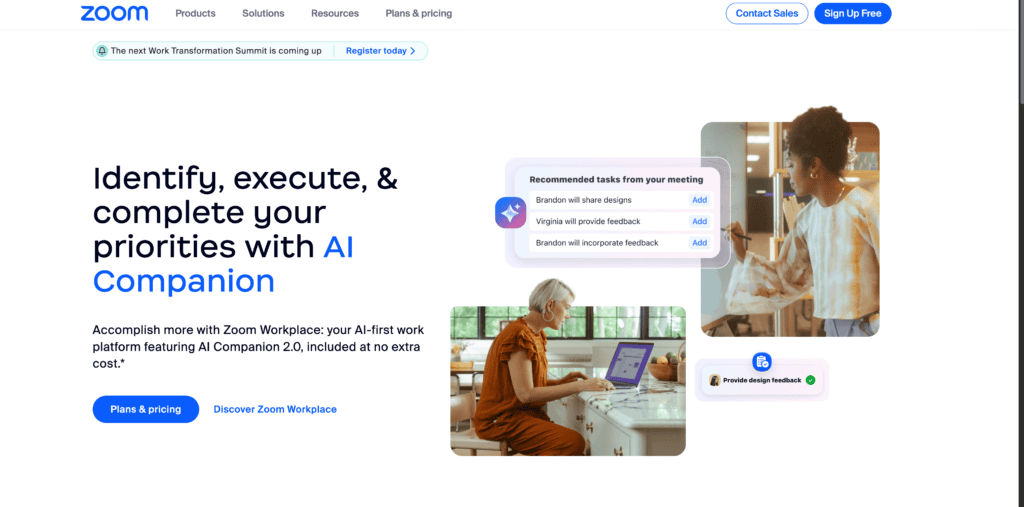
Zoom’s WordPress plugin has improved a lot by 2025. New features include:
- One-click meeting creation from posts
- Automated transcripts and summaries
- Virtual backgrounds for video calls
The one-click meeting feature lets you add a Zoom link to any post. This is perfect for webinars or online events.
Automated transcripts and summaries help you review meetings later. The AI even highlights key points and action items.
Virtual backgrounds now include interactive 3D environments. These make your video calls more engaging and professional.
Prices Pro $15.99 | Business $18.32 per month
Policies and Procedures
Clear policies and procedures are key for any mental health business. These guidelines help keep things running smoothly and protect both clients and staff.
A few essential policies to create:
- Privacy and confidentiality
- Informed consent
- Record keeping
- Emergency procedures
- Cancellation policy
- Payment terms
It’s vital to follow all legal and ethical standards in your area. This includes licensing rules and HIPAA regulations for patient privacy.
Policies should cover both in-person and online services. For telehealth, think about:
• Technology requirements • Video session etiquette
• Backup plans for tech issues
Write policies in simple language that clients can understand. Please review and update them regularly as laws or your business change.
Share key policies with clients before their first session. Have them sign forms showing they agree to your rules.
Good policies help build trust with clients. They also protect your business if issues come up later. Take time to create thorough guidelines from the start.
Consider the Legal Requirements
Starting a mental health business involves several legal steps. First, obtain the proper licenses and certifications for your state. These vary by location but often include a professional counseling license.
Register your business with state and local authorities. Choose a business structure like an LLC or corporation. This affects taxes and liability.
Get business insurance to protect against malpractice claims. Many states require this for mental health professionals.
Make sure your practice follows HIPAA rules for patient privacy. Use secure systems to store and share health information.
Create informed consent forms for clients to sign. These outline your services, fees, and policies.
Check zoning laws if you plan to see clients from home. Some areas restrict home-based businesses.
Set up a system to handle billing and payments legally. Follow tax rules for self-employed professionals.
Stay up-to-date on telehealth laws in your state. Rules about online therapy can change quickly.
Consider working with a lawyer who knows healthcare regulations. They can help you avoid legal pitfalls as you grow your business.
Managing Your Online Practice
Running an online mental health practice requires organization and the right tools. A practice management system is key. It helps track appointments, billing, and client records.
Secure video conferencing software is crucial for online sessions. Choose a HIPAA-compliant platform to protect client privacy. Test the system before sessions to avoid technical issues.
Set clear policies for cancellations and no-shows. Share these with clients upfront. Have a backup plan for tech problems, like phone sessions if the video fails.
Create a professional virtual background for your video calls. This maintains a consistent look and protects your privacy at home.
Time management is vital in an online practice. Use scheduling software to book appointments and send reminders. Build in breaks between sessions for notes and self-care.
Keep detailed electronic health records. Use secure, encrypted systems to store client information. Back up data regularly to prevent loss.
Stay current with telehealth best practices and regulations. Join professional associations for online therapists. Attend webinars to learn new skills for virtual therapy.
Network with other online practitioners. Share tips and resources. This can lead to referrals and support in your practice.
Frequently Asked Questions
Q: What are the first steps to start an online mental health business?
A: To start an online mental health business, begin with market research to understand the mental health industry and identify your target audience. Next, develop a solid business plan that outlines your services, pricing, and marketing strategies. You’ll also need to choose a suitable business structure and register your practice.
Q: Do I need specific qualifications to start an online therapy practice?
A: To provide mental health services online, you must be a licensed therapist or counselor. This ensures that you comply with legal and ethical standards in the mental health field.
Q: How can I market my practice effectively?
A: To market your practice, consider digital marketing strategies such as social media advertising, search engine optimization (SEO), and content marketing. You can also create a professional website showcasing your services and counseling and mental health expertise.
Q: What technology do I need to establish an online therapy practice?
A: You’ll need practice management software for scheduling and billing, a secure video conferencing platform for telehealth sessions, and a reliable internet connection. Additionally, tools for client communication and record-keeping should be considered.
Q: What are the benefits of starting an online mental health business?
A: Starting an online mental health business offers flexibility, the ability to reach a broader audience, and the convenience of conducting sessions from anywhere. It also allows you to create a private practice that aligns with your values and goals.
Q: How do I ensure compliance with mental health regulations?
A: To ensure compliance, familiarize yourself with local and national telehealth and mental health services regulations. This may include obtaining necessary licenses, adhering to confidentiality laws, and following ethical guidelines in the health sector.
Q: What should I include in my business plan for a mental health startup?
A: Your business plan should include an overview of your services, target market, marketing strategies, financial projections, and operational plans. Additionally, outline how you will manage client intake and ongoing care within your mental health platform.
Q: Can I offer online mental health services without a physical office?
A: Yes, many therapists successfully operate entirely online, allowing them to reach clients who may prefer remote sessions. This model can be particularly beneficial in growing an online therapy practice.
Q: What are some business ideas for a mental health startup?
A: Some business ideas include offering specialized online therapy sessions, creating mental health workshops, developing mental well-being apps, or providing corporate mental health services. Consider your expertise and interests when exploring these options.
Final Thoughts
Starting a mental health business takes work but can be very rewarding, with the right planning and tools. You can build a successful practice, focused on providing quality care to clients through online platforms. Create a solid business plan. This will guide your decisions and help you stay on track. Choose the right tech tools to run your practice smoothly. Make sure everything is secure and follows privacy rules.
Market your services online to reach more people. Use social media and a good website to connect with potential clients. Always keep learning about new trends in mental health care.
Remember why you started this journey. Your work can make a big difference in people’s lives. Stay patient as you grow your business as success often takes time.
With care and effort, you can build a thriving mental health practice. Keep your clients’ needs at the center of what you do. This will help you succeed and make a positive impact.